
Introduction: Cordless and plug-in hand massagers differ mainly in where you can place them, how freely you can move with them, and how charging fits into your day.
A hand massager is a small device, so it is easy to assume the power cord is a minor detail. In daily use it is often the thing that decides whether the unit actually gets used or quietly ends up in a drawer. This comparison looks at the two forms side by side and concentrates on placement, movement needs, and the everyday charging routine, because those three factors shape how a massager fits into a home or an office far more than any single feature.
How cordless and plug-in hand massagers differ in daily placement
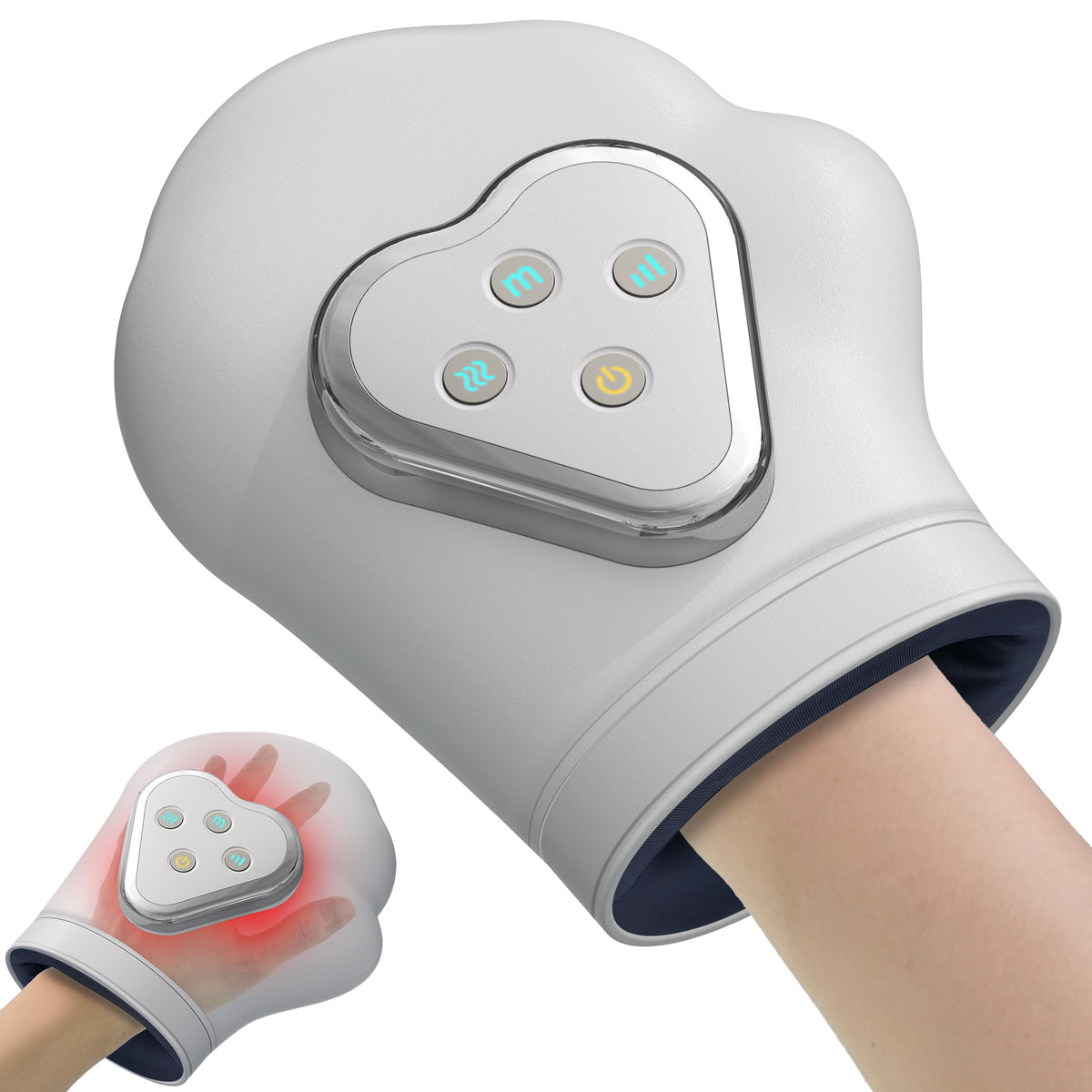
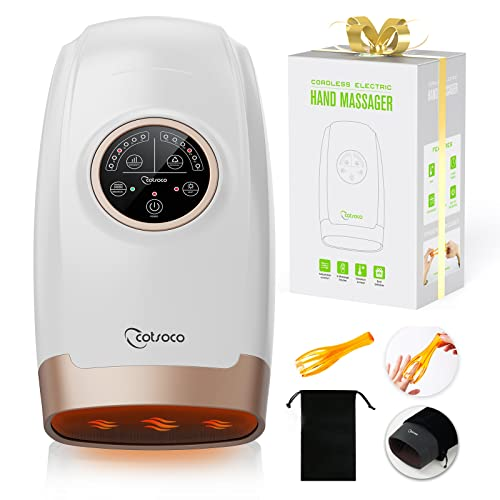
Placement is the first real difference. A plug-in hand massager needs a wall outlet within reach, so its natural home is somewhere near one: a nightstand, the end of a sofa, or a desk with an accessible power strip. The length of the cord quietly sets the boundary. Move the chair, rearrange the furniture, or want to use it out on a balcony, and the device has to travel back toward the power source or wait until an extension cord appears. That is not a flaw, but it does mean the room layout decides where the massager lives. A cordless hand massager carries its own power, so the room stops making that decision. It can sit in a desk drawer, on a side table, or in a basket beside the couch and be picked up wherever the person happens to be. The Digitnow cordless hand massager follows this pattern with a white, wire-free body that has no lead to route and no outlet to claim. In practice, that changes the small habits around the device: it stays where the routine happens instead of where the socket is.
What wire-free use changes for desk breaks and evening routines
Desk breaks show the difference most clearly. A short pause during typing is worth taking precisely because it is short, and a plug-in model makes that pause slightly more effortful: stand up, find the socket under the desk, manage the cable, sit back down. Many offices keep power strips behind furniture, which turns a two-minute hand massage into a small logistics exercise. A wire-free unit can be picked up from the desk, used while still seated, and set back down, which makes a brief break far more likely to actually happen. Evening routines follow a similar logic but with more room for movement. Someone watching television, reading, or moving between the living room and the bedroom may want warmth and compression on tired hands without reorganizing the seating. A hand massager with heat is usually used in that seated, relaxed posture, and wire-free use means the session does not need to be anchored to one corner of one room. The trade-off is honest and simple: a plug-in unit never needs charging, while a cordless unit trades outlet dependence for a charging habit.
Where charging context and electrical safety language matter in normal use
Once a device runs on a battery, charging becomes part of ownership rather than an afterthought. That does not make wire-free models complicated, but it does mean the product form comes with a routine the plug-in form never asks for. Understanding what sits behind that routine makes the comparison easier to judge, especially for anyone who plans to keep the massager on a desk or share it between rooms.
1. Why Lithium Battery Safety Language Matters for Any Wire-Free Device
Wire-free personal care devices of this size typically run on a small lithium battery, and lithium cells are regulated more closely than ordinary alkaline batteries because they store a lot of energy in a compact package. Transport authorities such as PHMSA publish handling and shipping rules for lithium batteries for exactly that reason. For everyday home use, the takeaway is not alarm but awareness: a cordless hand massager has a charge cycle that deserves normal attention, and the instructions supplied with the device are the right guide for it. The massager's own battery capacity, runtime, and charging port details are best read from its listing and packaging rather than assumed from the category.
2. How General Compliance Labels Differ from a Product Certification Claim
CE marking is a useful example of how compliance language works. It is a framework for products sold in the European market, and the official guidance explains it as the manufacturer's declaration that a product meets the applicable requirements. That guidance describes a system that applies across consumer electronics generally. Whether one specific hand massager carries a CE mark, and under which directives, is answered by that product's own label and paperwork rather than by the general explanation. Keeping the two ideas separate is what makes compliance talk useful: the framework explains the rules of the game, and the individual product supplies its own evidence.
Conclusion
Cordless and plug-in hand massagers are not competing designs so much as two different answers to the same need. A plug-in model is always ready and never asks to be charged, which suits a fixed spot near an outlet. A wire-free model gives up that constant readiness in exchange for placement and movement freedom, letting the massager follow the person from desk to sofa to bedroom. For daily home and office use, the better choice is the one whose routine matches your day: an outlet-bound habit, or a charging habit with the device always within arm's reach.
FAQ
Q: What is the main difference between cordless and plug-in hand massagers?
A: The difference comes down to the power source and what it allows. A plug-in massager draws power from a wall outlet, so it stays within cord reach of a socket and never needs charging. A cordless massager runs on an internal battery, so it can be used anywhere in the room but has to be recharged periodically. Placement freedom and charging routine are the two practical consequences that follow from that single design choice.
Q: Where is a cordless hand massager more practical than a plug-in model?
A: It is more practical wherever an outlet is inconvenient or far away. That includes a desk with power strips tucked behind furniture, a sofa or armchair with no nearby socket, shared spaces where the device moves between rooms, and any routine that happens away from a fixed massage spot. In those settings, the ability to pick the unit up and set it down without managing a cable is the whole advantage.
Q: What should users understand about charging a wire-free hand massager?
A: Charging is a normal part of owning any wire-free device, and it is worth treating as a small routine rather than an inconvenience. Follow the charger and instructions that come with the unit, keep the charging area sensible, and check the product listing or packaging for the specific battery and port details rather than relying on assumptions. A quick top-up between sessions keeps the device ready when a break comes up.