
Introduction: A removable washable silicone sleeve can change grip, surface feel, and daily cleaning on a handheld massager when your palms sweat.
If you have ever tried to hold a smooth plastic massager after a workout, you know the problem: your hand slides, your grip tightens, and the device feels less controlled. Sweaty hands are common, and they change how any handheld tool behaves. This is not just a comfort issue. A secure grip affects how easily you guide a muscle massage gun over shoulders, legs, or back, and it affects how clean the contact surface feels afterward. this guide explains what silicone adds as a material, why it feels different from hard plastic, and how to separate a skin-friendly washable sleeve from medical-grade silicone wording. It also shows where a removable sleeve helps daily hygiene without turning a consumer body massager into a clinical device.
Why Sweat Changes The Way A Handheld Massager Feels In The Hand
Sweat changes the contact between your hand and the device. A thin layer of moisture sits on the skin and reduces friction against smooth surfaces. On polished plastic or metal, that moisture acts like a lubricant. The harder you squeeze, the more tired your hand becomes, and the more likely the massager is to shift during use. This is especially noticeable on a mini massage gun or any compact body massager that relies on a firm one-hand grip while the motor vibrates. The vibration adds another layer of movement, so a surface that feels fine when dry can feel slippery within a few minutes. The American Academy of Dermatology notes that hyperhidrosis can affect the palms and that sweat-prone skin needs practical daily management, including clean contact surfaces. For a handheld massager, that practical side matters. Sweat leaves residue on the shell, and residue changes how the surface feels. It can make a hard shell feel slick, sticky, or uneven. It can also make the device feel less pleasant to pick up again later. A material choice that controls this contact problem is useful because it lets the user focus on the massage rather than on regripping the tool. That is the role silicone is designed to play: it changes the surface feel at the exact point where the hand meets the device.
How Silicone Sleeves Support Grip And Surface Hygiene
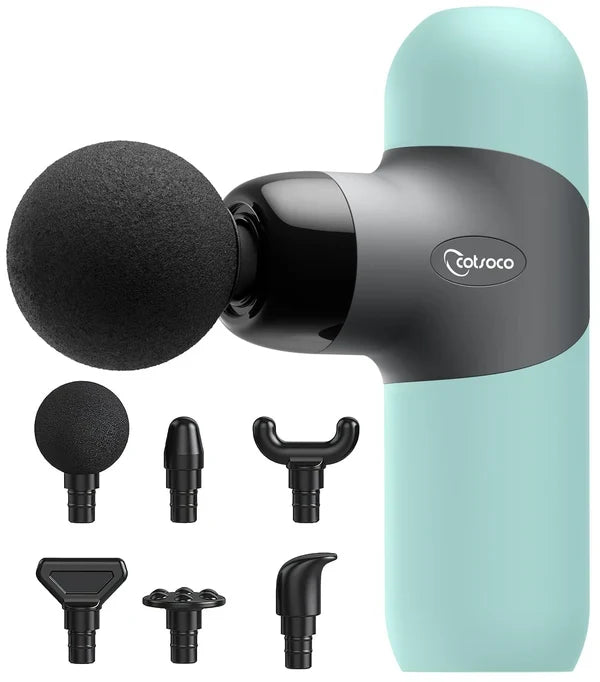
Silicone has a soft, rubbery surface feel. Instead of the hard, glassy touch of polished plastic, it offers slightly more texture and a gentle tackiness. When hands are damp, that surface tends to maintain more friction, so the user does not need to clamp down as hard. The result is a steadier hold during percussion massage, especially when the device is moving across the body. A silicone sleeve also softens the feel of the shell against the palm and fingers, which matters during longer sessions. It is not a grip coating or an add-on strap; it is a full outer layer that becomes the main hand-contact surface of the massager. A removable washable silicone sleeve adds a hygiene benefit. The sleeve is the part that touches sweaty hands, skin, and massage areas, so it is also the part that needs routine surface cleaning. Because it can be removed, the user can clean the outer layer without putting the electrical body of the device into water. The Digitnow Mini Muscle Massage Gun is one example: it uses a removable washable silicone outer sleeve and is described as suitable for people with hyperhidrosis. That combination makes sense for daily use. The silicone handles the grip and surface feel, while the removable design keeps the cleaning task focused on the sleeve rather than on the motor housing and buttons. This is hygiene convenience at the contact surface.
What Washable Silicone Can And Cannot Claim As A Material
Washable silicone is a material and design description. It tells the reader that the sleeve is made of silicone, that it can be removed, and that its surface can be washed. Medical-grade silicone is a specific material category tied to medical device standards, documentation, and intended use. Food-grade silicone is another separate category with its own standards. Skin-friendly silicone is a broader consumer-product phrase. It describes how the material is expected to feel and behave in normal contact with skin, while a medical material classification carries a different level of documentation and intended-use control. Keeping those categories separate helps readers compare products without inventing certification levels that the product may not have.
1. Removable Sleeves Make Cleaning Easier Without Changing the Device Core
The removable part of the design is practical because it separates the contact surface from the electrical core. The motor, battery, buttons, and charging port stay inside the main housing. The silicone sleeve sits outside as the hand-contact and skin-contact layer. When the sleeve is removed, the user can clean the surface that collects sweat, dust, and daily residue. The washable part is the outer sleeve rather than the electrical core. This design also allows the sleeve to be cleaned without changing how the massager performs. The motor still delivers the percussion, and the sleeve simply defines how the device feels in the hand and how easy it is to keep the contact surface fresh.
2. Skin-Friendly Silicone Wording Should Stay Separate From Medical Certification
Skin-friendly wording is about comfort, surface contact, and everyday use. It is useful language for a consumer massager because buyers want to know how the material feels against the palm and how easy it is to clean. Medical certification is a different subject. It involves clinical standards, testing, documentation, and a defined medical purpose. The FDA's general wellness policy keeps low-risk wellness products in a separate category from medical devices. A washable silicone sleeve can be a smart material choice for sweaty hands without becoming a medical-grade product. That distinction matters for readers who are comparing a muscle massage gun, a compact percussion massager, or another body massager. The right question is whether the sleeve is removable, washable, comfortable against skin, and suitable for the way the user sweats and cleans the device. For a consumer wellness product, those practical material facts are the ones that guide a good choice.
Conclusion
Sweat changes grip, and grip changes how a handheld massager feels in real use. A removable washable silicone sleeve addresses that contact point with a softer, grippier surface and a cleaning-friendly outer layer. It does not need medical-grade language to be useful. The material facts are simple: silicone changes surface friction, a removable sleeve makes daily cleaning easier, and washable does not mean certified for clinical use. Readers comparing a mini massage gun or another portable body massager should look at how the sleeve feels, how it fits, and how easily it can be cleaned. For a closer look at one example, the Digitnow Mini Muscle Massage Gun lists a removable washable silicone sleeve among its product facts.
FAQ
Q:Why can silicone sleeves help with sweaty hands during massage?
A:Silicone has a soft, rubbery surface that keeps more friction against damp skin than smooth hard plastic does. That extra grip helps the hand stay steady while the massager vibrates and moves across the body. A removable washable silicone sleeve also puts the main contact surface on a part that can be cleaned after sweaty use, so the device feels more controlled and easier to keep fresh during a daily massage routine.
Q:Is a removable washable silicone sleeve the same as medical-grade silicone?
A:No. Removable washable describes the sleeve design and how the surface can be cleaned. Medical-grade silicone is a specific material classification tied to medical device standards and documentation. A massager can use skin-friendly washable silicone for grip and hygiene without making a medical-grade claim. The two terms describe different things.
Q:How should a silicone sleeve feel on a handheld massager?
A:It should feel soft, slightly grippy, and smooth rather than slick. A good sleeve gives the palm a sense of control when hands are dry or damp, and it should stay comfortable while the motor vibrates. It should also fit securely around the device so it does not twist or shift during use. The feel should support a steady grip and easy surface cleaning.